Discover IPTV Singapore for flexible access to live TV, sports, movies, series, and international entertainment in HD and 4K. Enjoy smooth streaming across compatible devices.

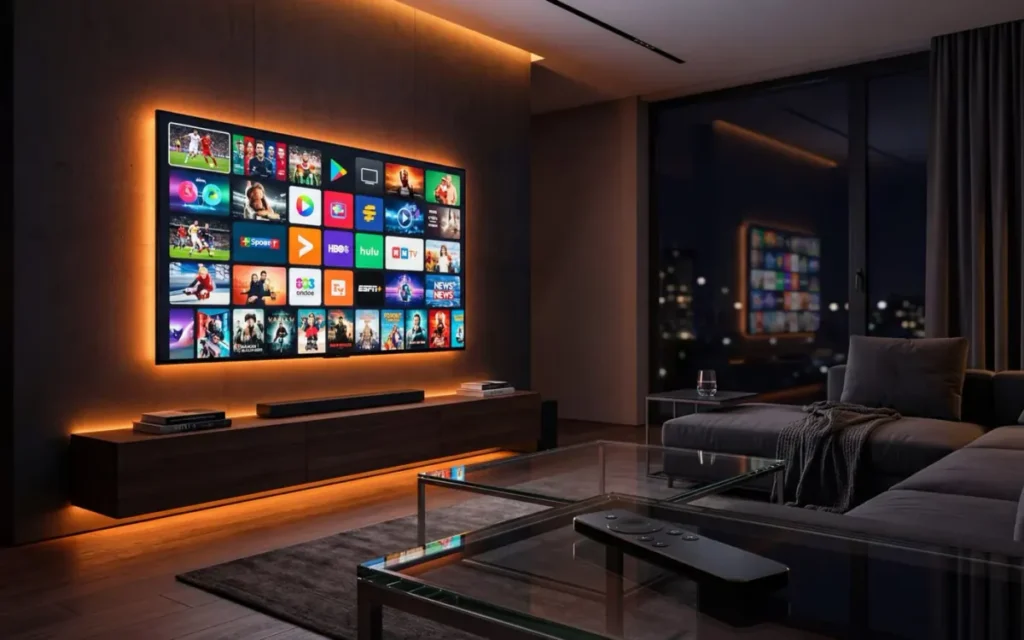
Television has become more flexible, with viewers increasingly choosing internet-based solutions that fit their everyday habits. IPTV Singapore provides access to live television and on-demand entertainment through compatible internet-connected devices, making it possible to enjoy different types of programming without depending entirely on a traditional TV setup.
The overall streaming experience can be influenced by several technical factors. Internet speed, Wi-Fi stability, device performance, and the IPTV player you use can all affect playback. A reliable connection and correctly configured equipment are especially important when watching live television or high-resolution content.
A diverse entertainment selection makes it easier to find something suitable for different members of a household. Depending on the available content, viewers can explore live sports, movies, series, news, documentaries, children’s programming, and international television.
Singapore IPTV is designed around flexibility, allowing viewers to browse different types of entertainment from a single service. Rather than relying on several separate platforms, you can access multiple categories through compatible devices and choose content according to your personal preferences.
A broad content library can make an IPTV service more convenient for everyday viewing. Live channels can be combined with on-demand movies and series, giving viewers more freedom over when and what they watch.
However, the size of a channel list should not be the only consideration when comparing an IPTV Singapore Service. Content availability can vary by stream and category, so it is equally useful to look at streaming performance, device compatibility, ease of configuration, picture quality, and the overall usability of the service.
Picture quality is an important part of modern television viewing. Depending on the source stream and supported equipment, programming may be available in HD, Full HD, and 4K, giving viewers the opportunity to select the quality that matches their setup.
For users specifically searching for IPTV Singapore 4K, having a compatible television or display is only one requirement. The original stream must support 4K, while your IPTV application, streaming device, internet connection, and available bandwidth can also influence the final result.
This is why a stable network and suitable hardware are particularly important when watching sports, movies, or other content in higher resolutions.
One of the practical advantages of IPTV is the ability to watch through different types of compatible devices. Depending on the application and platform, viewers can use Smart TVs, Android TV devices, Firestick, smartphones, tablets, Windows PCs, Mac computers, and other supported equipment.
This flexibility makes Singapore IPTV suitable for different viewing environments. You can use a large screen for live sports or movies at home, while another compatible device can be used when you prefer a more personal viewing experience.
Before subscribing, it is always worth checking whether your preferred device and IPTV application are supported.
Getting started with an IPTV service should be straightforward. After selecting a suitable plan and completing the order, you receive the information required to configure a compatible IPTV player.
The setup process is intended to remain simple, whether you are using a Smart TV, streaming device, smartphone, tablet, or computer. Once the application has been configured correctly, you can access the available live and on-demand content through your chosen device.
Activation is generally completed within 15 minutes, helping you get started without a lengthy installation procedure.
Selecting an IPTV Singapore Provider involves more than comparing the number of channels displayed on a website. Different viewers may have completely different priorities depending on their devices, internet connection, preferred content, and viewing habits.
Before making a decision, consider factors such as available programming, device compatibility, streaming consistency, picture quality, activation process, subscription flexibility, and customer support.
These practical elements can have a greater impact on your everyday experience than a large channel count alone.
For viewers looking for a more adaptable way to enjoy television, IPTV Singapore combines live programming and on-demand entertainment through compatible internet-connected devices. Sports, movies, series, news, documentaries, and international channels can provide a broad range of options for different viewing preferences.
When comparing an IPTV Singapore Service, it is useful to consider the complete experience rather than focusing on a single specification. A combination of suitable content, reliable device compatibility, straightforward activation, and stable streaming can make everyday viewing more convenient.
For viewers interested in higher-resolution entertainment, IPTV Singapore 4K provides access to compatible 4K content where the source stream and equipment support it. Actual picture quality will always depend on the content source, network conditions, IPTV application, and device being used.
If you are researching an IPTV Singapore Provider, choosing a service that fits your own technical setup and viewing requirements is an important part of creating a comfortable streaming experience.


Looking for a flexible way to enjoy live television and entertainment in Singapore? IPTV Singapore gives viewers access to a variety of live channels and on-demand content through compatible internet-connected devices. Depending on the available programming, you can explore sports, movies, series, news, documentaries, and international entertainment from a convenient viewing setup.
When comparing an IPTV Singapore Service, it is worth looking beyond the number of channels advertised. Streaming consistency, content selection, picture quality, device compatibility, activation, and overall ease of use can all influence your everyday experience. The right service should fit both your viewing preferences and the technical equipment you already use.
For viewers who value high-resolution content, IPTV Singapore 4K provides access to compatible 4K streams where the source content and equipment support the required resolution. HD and Full HD programming may also be available, while the final picture quality depends on factors such as your internet bandwidth, streaming device, IPTV application, network stability, and the original source stream.
A Singapore IPTV setup can be used across various supported platforms, including Smart TVs, Android TV devices, Fire TV, smartphones, tablets, Windows computers, and Mac devices. This flexibility allows you to choose how and where you watch, whether you prefer a large screen for movies and sports or another compatible device for more casual viewing.
Your internet connection and device performance can have a direct impact on playback. For this reason, choosing an IPTV Singapore Provider should involve looking at the complete service rather than focusing exclusively on channel quantity. Stable streaming, suitable device support, straightforward configuration, available content, picture quality, and customer assistance are all practical elements to consider.
The goal of a good IPTV setup is to keep everyday viewing simple and adaptable. With convenient access to live and on-demand entertainment across compatible devices, viewers can explore programming that matches their interests. Whether you prefer Singaporean and international channels, sports, movies, series, or news, IPTV Singapore offers a flexible approach to modern television viewing.





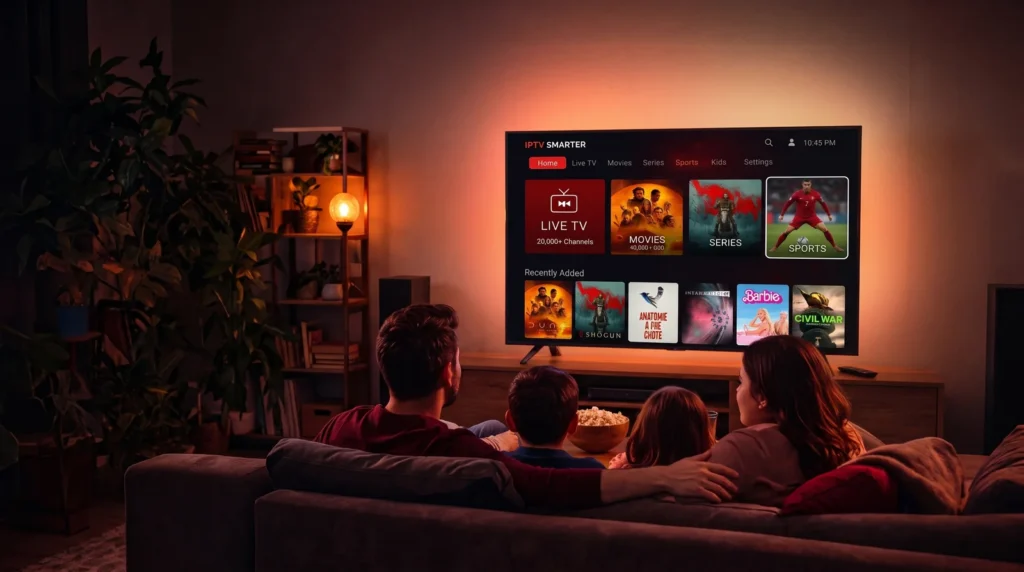
Whether you follow live sporting events, enjoy a movie in the evening, or like discovering new series, having different types of entertainment available through one service can make viewing more convenient. With IPTV Singapore, viewers can explore live television and on-demand programming using a range of compatible devices.
Sports fans can find programming covering football, motorsport, combat sports, and other international events, while the entertainment selection can include movies, series, news, documentaries, and international television. Availability depends on the individual stream and content category, but having a varied selection gives viewers more freedom to choose what fits their interests.
For live sports and major events, image quality can have a significant impact on the viewing experience. Depending on the original source and supported equipment, selected channels and programs may be available in HD, Full HD, and 4K.
For viewers interested in IPTV Singapore 4K, the complete technical setup is important. A 4K television or display needs to be combined with a compatible streaming device, IPTV application, suitable source stream, and sufficient internet bandwidth. Network stability can also influence playback, particularly during demanding live broadcasts.
A large selection of channels is useful, but it is only one part of what makes an IPTV service practical. When evaluating an IPTV Singapore Service, viewers should also consider how easily the service works with their devices and whether the available content matches their regular viewing habits.
Streaming quality can be affected by internet speed, Wi-Fi conditions, device performance, and the IPTV player being used. A stable connection and properly configured equipment can help reduce interruptions and provide a more comfortable experience, especially when watching live sports or high-resolution programming.
Different members of a household may prefer different screens. Some viewers enjoy watching on a Smart TV, while others may prefer Android TV, Fire TV, smartphones, tablets, or computers.
Singapore IPTV provides flexibility across supported platforms, allowing viewers to choose the device that fits their situation. You can use a larger screen for movies and sporting events or switch to another compatible device when you want to watch more casually.
Device and application compatibility can vary, so checking your equipment before subscribing is always recommended.
Setting up your IPTV service can be a straightforward process when you have a supported device and compatible player. After completing your order, the required access information is provided so you can configure the application of your choice.
Whether you are using a television, streaming device, smartphone, tablet, or computer, the setup process is designed to keep the main steps clear and easy to follow. Once configuration is complete, you can start exploring the available live channels and on-demand content.
Different viewers have different priorities, which means there is no single feature that determines the right IPTV service for everyone. Sports enthusiasts may focus on live-event availability and picture quality, while movie and series viewers may be more interested in VOD selection and device flexibility.
When researching an IPTV Singapore Provider, it is therefore useful to consider several factors together. Content variety, supported platforms, streaming performance, available resolutions, activation process, subscription options, and customer assistance can all influence the overall experience.
Looking beyond advertised channel numbers can give you a clearer understanding of whether a service fits your particular needs.
IPTV Singapore offers a modern way to access live and on-demand entertainment through compatible internet-connected devices. From sports and international events to movies, series, news, and other programming, viewers can explore different categories according to their personal preferences.
For anyone comparing an IPTV Singapore Service, practical considerations such as device compatibility, streaming performance, setup, and content availability are worth examining before choosing a subscription.
If high-resolution viewing is important to you, IPTV Singapore 4K can provide access to compatible 4K streams where the content source and equipment support that resolution. Actual playback quality will depend on the original stream, internet connection, IPTV player, and viewing device.
For viewers searching for an IPTV Singapore Provider, the most useful approach is to consider how well the service fits your own equipment, connection, preferred content, and everyday viewing habits. A straightforward setup combined with suitable content and compatible devices can make IPTV a convenient addition to your home entertainment setup.



































































Explore a flexible way to enjoy live television and on-demand entertainment with IPTV Singapore. The service brings together a broad selection of international channels, movies, series, sports, news, and other programming through compatible internet-connected devices. Depending on the individual stream and equipment, content may be available in HD, Full HD, and 4K.
For viewers researching an IPTV Singapore Service, the overall experience involves more than simply having access to a large content library. Reliable playback, convenient access, device compatibility, picture quality, and an uncomplicated setup can all contribute to a more comfortable way of watching television.
A Singapore IPTV service can support a range of popular devices, including Smart TVs, Android TV equipment, Firestick, smartphones, tablets, and computers. This allows viewers to choose the screen that best suits their needs, whether they prefer watching movies on a large television or using another compatible device for more flexible viewing.
If high-resolution entertainment is important to you, IPTV Singapore 4K provides access to compatible 4K content where the source stream and viewing equipment support it. The final quality can also depend on your internet connection, IPTV player, streaming device, and network conditions, so having suitable equipment is an important part of the experience.
When choosing an IPTV Singapore Provider, it is useful to consider the complete service rather than focusing on one particular feature. Content variety, supported devices, streaming performance, available picture quality, activation, and customer assistance can all help determine whether a service fits your everyday viewing habits.
With the right combination of content, compatible equipment, and a stable internet connection, IPTV Singapore can provide a convenient way to bring live and on-demand entertainment together. Whether you enjoy international television, sports, movies, series, or news, the flexibility of IPTV allows you to choose how and where you watch.










Watch our iptv package on all your devices, after buy iptv you can use on your TV, android box, mobile phone, mag box and tablets…
We are here to help you 24/7, feel free to contact our technical support team.
Nothing just let our team have theire time to complete your order. We will reply to your email and whatsapp as soon as possible after verifying your payment.
IPTV works all over the world, no matter where you live or where you are. Since you have a stable Internet connection, you will be able to watch thousands of TV channels.
Most of the elements of IP networks are the control of quality service. Our service is just excellent that you can compare with other similar service providers in the market. Our quality of service ensure you the priority to several packets on the network, we always maintain and control delays fragmentation of the service to assure you high-end quality service. We always maintain the desired level performance.
We are first the best service provider on internet, and we provide no freezing technology with 99% uptime.
As long as you want we have External IPTV. And you can renew anytime you want, you only pay as you go.
No, you will connect IPTVstore-plus servers via internet and you don’t need dish and satellite equipments.
At last 16 mbps. The Internet must be a good and stable line. The more stable and good the internet line, the clearer the quality of the images will be and there will be no obstacles during the showing of matches, movies, or series.
We support all kind of devices such as: MAG, Android Smart Phone, Android Boxes, Enigma, DreamBox, Vu+ (…), PC, VLC, Kodi/XBMC (…), Smart TV.

WhatsApp us